


 Log in







Table of Contents
You try CBD for the first time. Maybe it's an oil, maybe a couple of gummies. A few hours later, your skin starts itching. Or you wake up with a rash. Maybe your stomach just feels off. Whatever it is, the timing makes you suspicious. You took CBD, and now something's wrong. So, are you allergic to it? Maybe. But it's not that simple.
People can be allergic to cannabis. That's well documented. Whether CBD itself causes those reactions is a different question, and researchers don't have a clear answer yet. Then there's everything else in the bottle. Coconut oil, hemp extracts, added flavors, gelatin. Sometimes quite a few ingredients hiding behind a simple CBD label.
And an upset stomach isn't the same as an allergic reaction. Neither is feeling dizzy or unusually tired. The symptoms matter, and so does what you actually took. Before blaming CBD, you need to figure out whether your body is reacting to an ingredient or whether you're dealing with a side effect.
What is CBD, and can it cause an allergic reaction?
CBD is short for cannabidiol. It comes from the cannabis plant, usually hemp, and ends up in all sorts of products. Sleep gummies, oils, capsules. Some people take it to relax. Others hope it'll help with aches and pains. Unlike THC, CBD doesn't normally get you high, which is a big reason people choose it.
But you can feel pretty lousy after taking CBD, even without getting high. An upset stomach, feeling wiped out, maybe dizziness. It can also interfere with certain medications. And then there's the allergy question. That's a separate issue. An actual allergy involves your immune system, and CBD might not even be the culprit. Sometimes it's the carrier oil or another ingredient mixed into the product.
How cannabidiol works in the body


CBD and THC come from the same plant. They're both cannabinoids, along with dozens of other compounds found in cannabis. But they don't act the same way once they're in your body. Not even close.
THC is the one that gets you high. It works mainly by attaching to CB1 receptors in your brain. CBD works differently. It doesn't activate those receptors the way THC does. Instead, it affects several systems involved in things like pain and inflammation. Scientists are still figuring out exactly what happens there. And how much of it actually makes a difference to your health.
Now, you've probably seen CBD advertised for just about everything. Trouble sleeping? Try CBD. Feeling stressed? CBD again. Aches after a long day? There's a product for that too. Some of those claims sound convincing, but the research doesn't always back them up. Prescription CBD has proven benefits for certain medical conditions. The gummies and oils sitting on store shelves? That's a different story. There's still a lot we don't know.
Then there's the dose. Take more CBD, and you may end up dealing with more side effects. But even a small amount can bother some people. Especially if they're taking other medications or have health issues that affect how their body handles CBD.
And here's something that's easy to miss. That bottle of CBD oil in your cabinet probably contains more than just CBD. Carrier oils, flavorings, leftover plant compounds. Any one of those could be behind a reaction. So if your skin starts itching or you notice something unusual after taking CBD, don't automatically assume cannabidiol is the problem. You might be reacting to something else in the bottle.
Can someone actually be allergic to CBD?
So, can CBD actually cause an allergy? Well, people have had allergic reactions after using CBD products. That's real. But proving that CBD itself caused the reaction? That's where things get messy.
Cannabis plants contain proteins that can trigger allergies. Researchers know that much. Pure cannabidiol is another story. There just isn't enough solid evidence yet to say how often, or even whether, CBD itself causes a true allergic reaction.
Say you buy a flavored CBD oil. You take a few drops, and an hour later, your arms start itching. Naturally, you blame the CBD. But look at what's in that bottle. There's the carrier oil, whatever they used for flavor, and possibly some leftover hemp compounds. Any of those could be involved. And if the extract hasn't been heavily refined, plant proteins might still be present.
How quickly the symptoms show up can tell you something, too. Hives appearing shortly after taking CBD could point to an immediate allergic reaction. A red, itchy patch that keeps coming back where you apply CBD cream? That sounds more like contact dermatitis. Still, neither one tells you exactly which ingredient is responsible.
And sometimes it isn't an allergy in the first place. CBD can cause dizziness, diarrhea, and fatigue. You might take it and feel completely drained afterward. Unpleasant? Absolutely. But that doesn't automatically mean your immune system is reacting to it.
The tricky thing about a suspected CBD allergy? There's no simple test you can do at home to get an answer. A doctor will usually start by asking what you took, how soon the symptoms showed up, and what else was in the product. Sometimes that gives them a pretty good idea of what went wrong. Other times, you may need to see an allergist for a closer look at possible triggers. But even then, you might not get a definite answer. Testing for cannabis allergies is still pretty limited, and pinning down the exact ingredient responsible isn't always possible.
Why the type of CBD extract makes a difference
Two CBD oils can have the exact same amount of CBD on the label and still be pretty different inside. It comes down to how the hemp was processed. Some extracts keep a whole bunch of compounds from the original plant. Others are stripped down until there's barely anything left besides CBD.
Take full-spectrum CBD. You're getting cannabidiol, sure, but also other cannabinoids, terpenes, flavonoids, and some THC. How much of each? That depends on the manufacturer and the extraction process. And if your body happens to react to one of those extra plant compounds, that could be a problem.
Broad-spectrum CBD is a little different. It keeps many of the compounds found in hemp, but most or all of the THC is removed during processing. Sounds cleaner, right? Well, THC isn't the only thing worth thinking about. Other plant substances can remain in the extract. If you're sensitive to one of them, removing THC won't necessarily help.
Then you've got CBD isolate. This is the stripped-down version, made up almost entirely of cannabidiol. No big mix of cannabinoids and terpenes like you'd find in full-spectrum oil. Fewer plant compounds means fewer potential triggers from the original hemp extract. But don't mistake that for an allergy-free product. The manufacturer might still mix the isolate with coconut oil, flavorings, or something else your body doesn't tolerate.
What causes allergies to CBD and hemp products?
Your immune system can be a little too quick to sound the alarm. Pollen, certain foods, medications. Things that most people come across without a problem can set off a reaction in someone who's allergic. Cannabis is no exception. It contains plant compounds that some people's immune systems don't tolerate. And when a reaction happens, it might be something as mild as itchy skin or sneezing. Other times, breathing becomes difficult, or several parts of the body react at once.
With CBD, figuring out what's responsible gets messy. That gummy you took? It probably has a bunch of ingredients besides CBD. The oil might be mixed with hemp seed oil or coconut-derived MCT oil. And CBD creams often contain fragrances and preservatives that can bother sensitive skin. So when someone reacts to a CBD product, looking only at the cannabidiol doesn't tell you much. You have to look at everything else that went into it, too.
How the immune system develops an allergy
Your immune system is supposed to protect you. Germs, viruses, anything that might actually make you sick. That's its job. But sometimes it gets things wrong. It sees something harmless, like pollen or a protein in food, and treats it like a threat. Suddenly, your body is fighting something that wasn't dangerous to begin with. That's an allergy. And the substance setting it off? That's called an allergen.
So what's actually happening inside your body? With many allergies, your immune system makes something called IgE antibodies. They're supposed to recognize things that might be dangerous. Except sometimes they pick the wrong target. A harmless protein, for example. The antibodies attach to certain immune cells, and for a while, you might feel absolutely nothing. No itching. No rash. Nothing unusual. Then you come across that same substance again, and those cells can spring into action. Suddenly, something that never bothered you before is setting off an allergic reaction.
One of the chemicals they release is histamine. You've probably heard of it if you've ever taken an antihistamine for seasonal allergies. Histamine is behind a lot of the familiar symptoms. The itching. The swollen skin. The sneezing that just won't quit. Other chemicals get involved too, and sometimes the reaction goes much further. Breathing becomes difficult. Blood pressure drops. What started as an immune response can turn into a medical emergency.
And here's the strange part. You can use something for ages without a problem, then suddenly react to it. Maybe it's a food you've eaten countless times. Or a skincare product that's been sitting in your bathroom for months. Your immune system may have become sensitized during earlier exposures without giving you any obvious warning. So having used a product before doesn't mean you're guaranteed to tolerate it forever.
Hemp proteins and other possible cannabis allergens
Hemp and marijuana come from the same cannabis plant family. So naturally, they share a lot of the same proteins. The mix isn't exactly identical, though. And some of those proteins can cause allergies. If your immune system has already decided one of them is a threat, coming into contact with cannabis might leave you with some pretty unpleasant symptoms.
Pollen is one possible culprit. For someone who's sensitive to it, breathing in cannabis pollen can mean sneezing, a stuffy nose, or irritated airways. Other people might notice itching or a rash after handling the plant itself. But touching raw hemp and taking a highly purified CBD extract aren't the same thing. The substances you're exposed to can be quite different.
Then there are hemp seeds. They're packed with protein, and yes, people can be allergic to them. There have even been reports of severe reactions. So if you've got a confirmed hemp seed allergy, products containing seed-derived ingredients deserve extra caution. Does that mean you'll automatically react to pure CBD? No. Cannabidiol and hemp seed proteins are different substances.
Other ingredients that may trigger symptoms
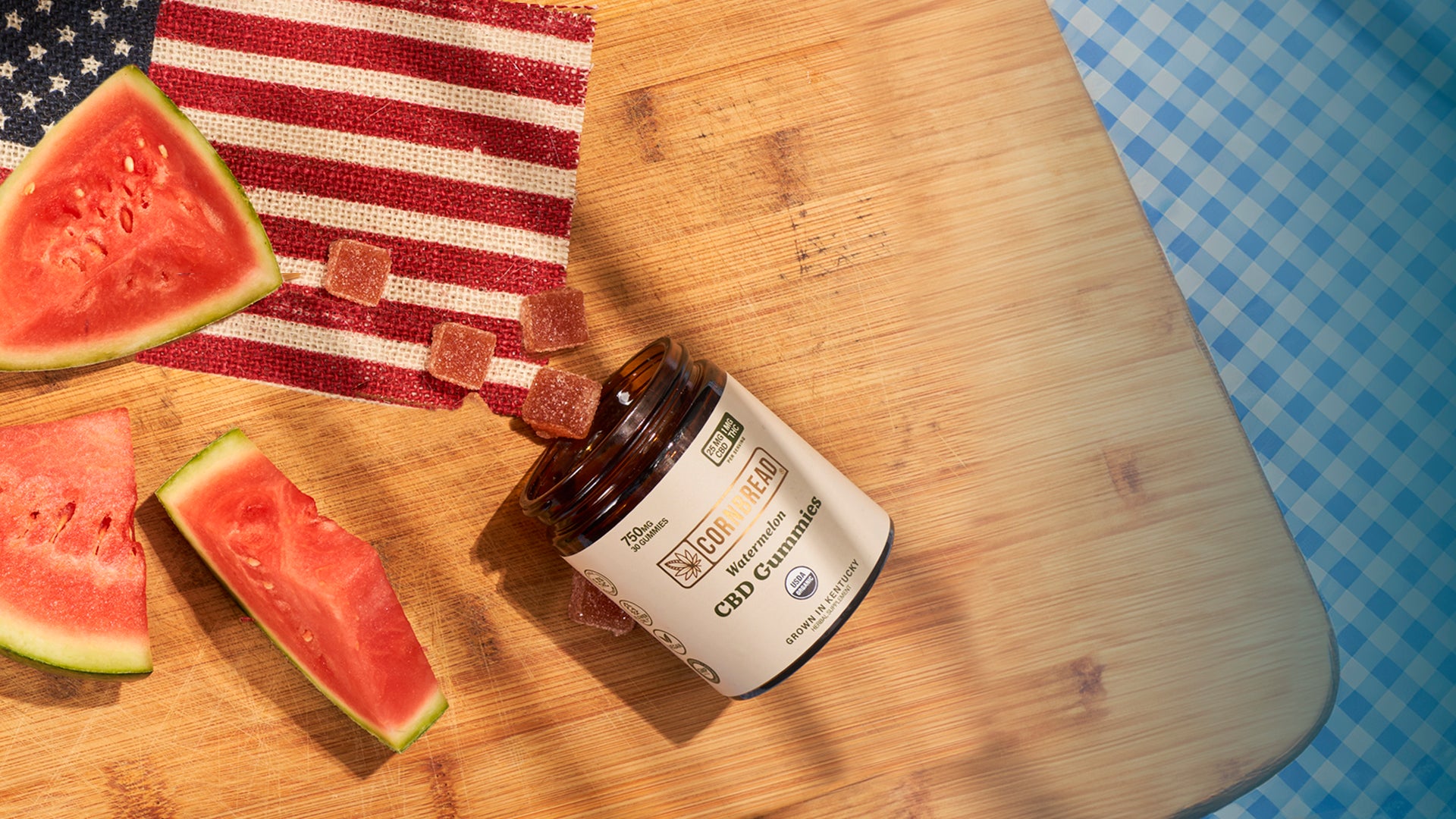
There's a lot more going into CBD products than most people realize. Take CBD oil. The cannabidiol has to be mixed with something, usually a carrier oil, so you can actually measure out a dose. Gummies? They need something to make them chewy, sweet, and taste decent. And creams are packed with ingredients that help them spread smoothly over your skin. All of that extra stuff gives your body more things to potentially react to.
Coconut-derived MCT oil is a popular choice for CBD oils. Most people handle it just fine, but coconut allergies do exist, even if they're uncommon. Some brands use olive oil instead. Others go with hemp seed oil. None of these ingredients is automatically a problem. It really depends on what you're sensitive to and what's actually in the bottle.
Gummies can be even trickier. A lot of them contain gelatin, which comes from animal proteins. Gelatin allergies aren't common, but they happen. Then you've got all the added flavors, colors, and whatever else the manufacturer decided to throw in. If you already have a food allergy, checking that ingredient list matters. A gummy might look harmless enough, but you can't tell what's inside just by looking at it.
That's why the quality of the product matters, too. You want to know what ingredients were added and whether the manufacturer actually tested for contaminants. A reaction after using CBD doesn't automatically mean you're allergic to cannabidiol. Sometimes the problem is something else in the formula. Or something that shouldn't have made it into the product in the first place.
|
Ingredient or substance |
Common products |
Possible concern |
What to check |
|---|---|---|---|
|
🌿 Hemp proteins |
Less-refined hemp extracts |
May trigger allergy in people sensitized to cannabis proteins |
Extract type and history of cannabis reactions |
|
🥥 Coconut-derived MCT oil |
CBD oils and softgels |
Possible ingredient sensitivity or rare allergic reaction |
Carrier oil listed on the label |
|
🌱 Hemp seed oil |
Oils and hemp blends |
Residual seed proteins may matter for people with hemp seed allergies |
Seed-derived ingredients and processing details |
|
🍬 Flavorings and colorants |
Gummies and flavored oils |
Certain ingredients may cause allergy or intolerance |
Full ingredient list |
|
🧬 Gelatin |
Gummies and capsules |
Possible reaction in people with gelatin allergies |
Capsule or gummy composition |
|
🌸 Fragrances and terpenes |
Creams, balms, aromatic extracts |
Irritation or allergic contact dermatitis |
Fragrance and botanical ingredients |
|
🫘 Nut- or soy-derived ingredients |
Selected edible formulations |
Potential food allergen exposure |
Allergen declarations and manufacturing information |
|
🦠 Mold |
Improperly processed or stored products |
Contamination and possible exposure-related health concerns |
Microbial testing results |
|
⚗️ Pesticides and heavy metals |
Contaminated raw materials |
Toxic effects rather than necessarily true allergy |
Independent contaminant testing |
A product's ingredient label is the best starting point for identifying what it contains. It won't always reveal trace contamination or manufacturing errors. Laboratory reports can offer more information about certain contaminants. They cannot determine whether an ingredient is safe for someone with a specific allergy.
FAQ
An allergic reaction can appear after previous exposures that caused no noticeable problems. However, a reaction to a CBD product doesn't necessarily mean someone is allergic to cannabidiol itself. Hemp proteins, carrier oils, or other ingredients may be responsible, and a clinician can help investigate the cause.
Yes, itching can occur after using a CBD gummy if someone reacts to an ingredient in the product. Gelatin, flavorings, or other food-derived substances may be involved, although itching can have unrelated causes. Stop using the suspected product and seek medical advice, especially if hives, swelling, or other symptoms develop.
Neither format is automatically safer because both can contain allergens. CBD oils typically use carrier ingredients, while gummies contain additional substances needed for taste and texture. The better choice depends on a person's confirmed allergies, the actual ingredients, and medical advice.
A possible allergic reaction may cause itchy hives, redness, swelling, or an eczema-like rash. Contact dermatitis from a topical product may develop more slowly and stay concentrated around the application site. Because irritation and allergies can look similar, the appearance of a rash alone cannot confirm the cause.
CBD isolate contains fewer additional cannabis compounds than less-refined extracts, but that doesn't guarantee safety. A person may react to residual ingredients or to substances added during formulation. Anyone with a known hemp or cannabis allergy should obtain specialist guidance before considering CBD use.
CBD + THC PRODUCTS
View all-
-
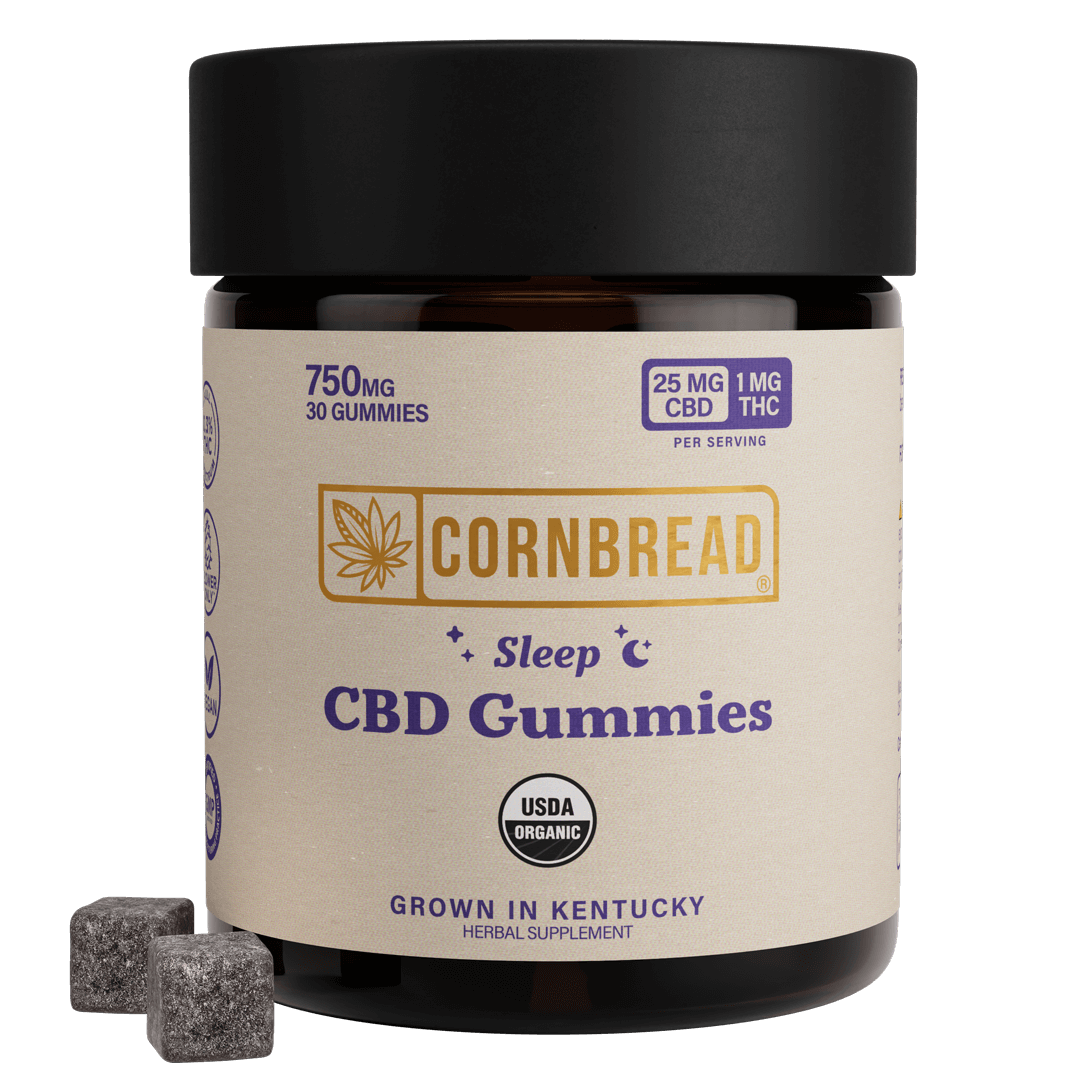
CBD Sleep Gummies
- $49.99
- Buy Now
-
-
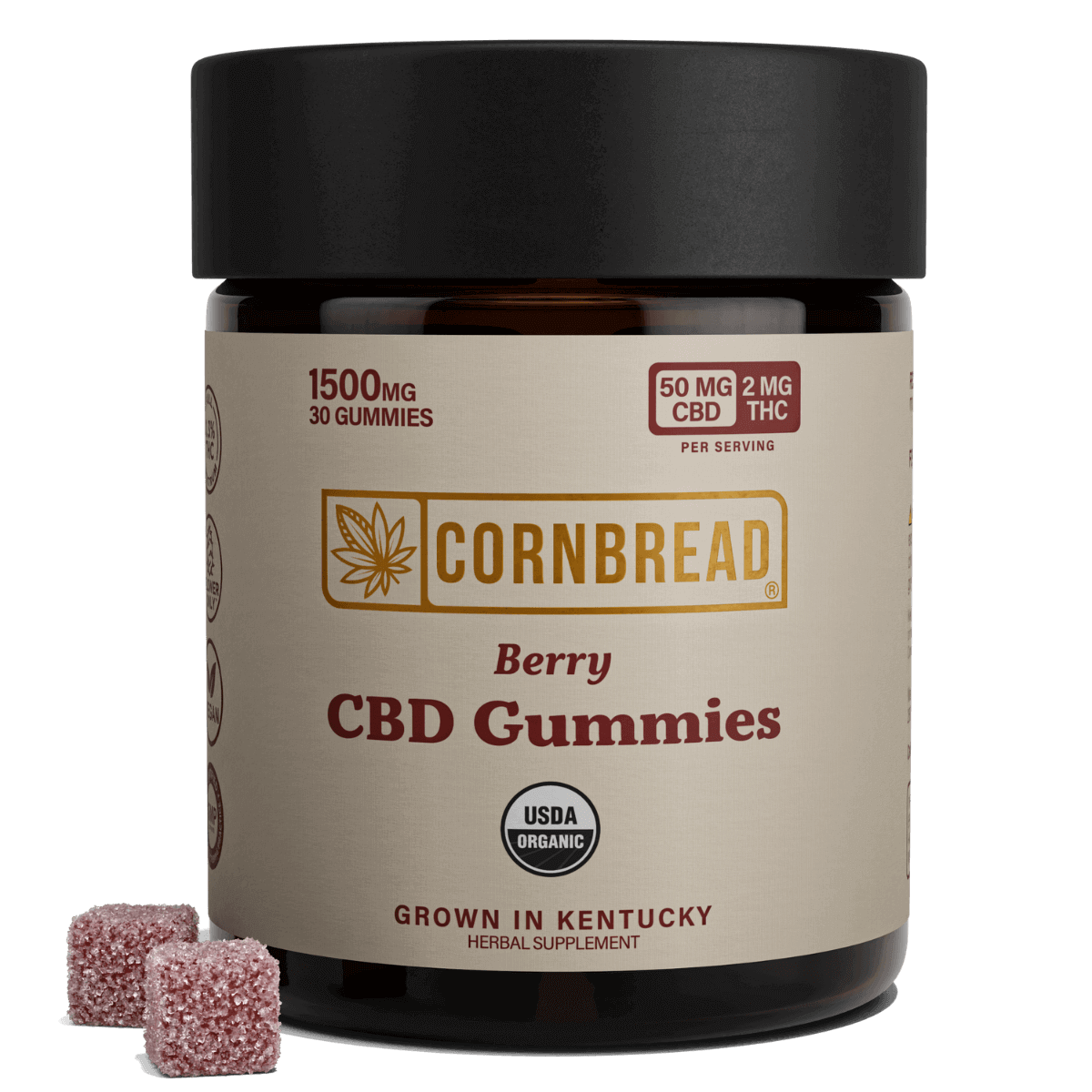
Full Spectrum CBD Gummies
- $39.99
- Buy Now