



 Log in

Table of Contents
Been browsing hemp tinctures lately? Then "CBDa" on a label you've probably spotted, and maybe you wondered whether someone just hit an extra key. A typo it isn't. A totally different compound? Not quite that either. Close relatives, CBDa and CBD are, yet they behave in their own ways, turn up in different products, and for slightly different reasons have caught people's attention.
What CBD and CBDa actually are
The household name? That title went to CBD, partly because onto store shelves it landed first, and in a big way. CBDa, meanwhile, stayed backstage. Researchers talked about it, hemp fans too, but few others. And that gap in attention? More about marketing history it tells us than about the compound itself.
CBD in plain terms
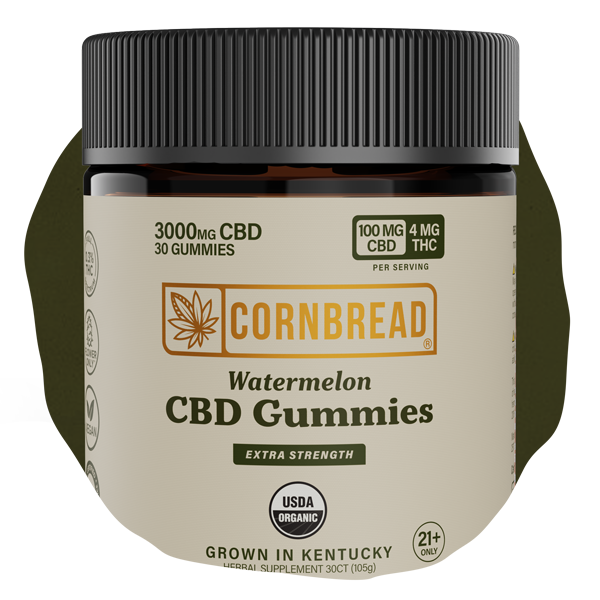
CBD, short for cannabidiol, ranks among the major cannabinoids of the cannabis sativa plant. Far more of it hemp carries than marijuana does, so from hemp most CBD products come. Early studies hinted at possible therapeutic effects, and that was enough. Out of niche health shops it moved, straight into mainstream stores. Oils, gummies, capsules, creams, even drinks — you'll find it everywhere now. Manufacturers love it for a simple reason, too: with carrier oils it blends easily, through processing it holds up, and on the shelf it stays stable.
CBDa, the raw acid form
CBDa, or cannabidiolic acid, is cannabidiol in its raw form. In living or freshly harvested hemp and marijuana, it's actually the one in charge. So most of the CBD sitting on store shelves? As CBDa it started out. That word "acid" shouldn't scare you. It just means an extra cluster of atoms CBDa carries, one that CBD doesn't have. Small difference, sure, but it changes how the compound acts in the body and how well through processing it survives. Breaks down easily, CBDa does. Harder to keep intact it is, harder to find in finished products, and brands selling it have to extract it with real care.
Neither one gets you high
A worry this is, and a very common one, so let's tackle it head-on. Neither CBD nor CBDa gives you the "high" that THC is known for. Take either one, and with a clear head you'll go about your day.
Where does the cannabis high come from? From THC, acting on specific receptors in the brain. Those receptors CBD and CBDa just don't work on in the same way. That's exactly why hemp products with little or no THC end up sold as wellness supplements, not recreational ones.
How these cannabinoids work with the endocannabinoid system
Why might CBD and CBDa act differently? To answer that, a quick look at the system they work with helps. It's called the endocannabinoid system, or ECS. A whole network your body has, and its job is keeping things like mood, sleep, appetite, pain perception, and inflammation in balance. Plant cannabinoids can plug into it, because to compounds your body already makes they look quite similar. Not all of them do it the same way, though. And right there, CBD and CBDa start to part ways.
A quick tour of the ECS
Three parts make up the endocannabinoid system. First come the receptors, spread through your brain, nerves, immune cells, and organs. Then there are endocannabinoids — cannabinoid-like molecules your body makes all on its own. And finally, enzymes. Their job? Breaking those molecules down once the work is done, so that "switched on" the system doesn't stay too long. Together, they keep homeostasis going. Think of a thermostat, one that nudges many systems back into balance at once. Into this process plant cannabinoids like THC, CBD, and CBDa can step. Some bind to receptors directly. Others work more quietly, through the enzymes or different signaling pathways.
How CBD interacts with it
Plenty of cannabinoids, THC among them, grab onto brain receptors hard. CBD? A subtler route it takes. Instead of one strong hit, a whole range of targets it influences, from receptors tied to pain and mood to, possibly, the way other cannabinoids behave. That's partly why no high it causes. So many pathways it touches that researchers have tested it for all sorts of uses. The results so far? Mixed. Still catching up with consumer interest, the science is. For everyday users, though, the picture is simple enough: a gentle, non-intoxicating compound that may support balance in several ways. How well it works for you depends on your body, your dose, and how good the product really is.
Why CBDa plays by different rules
CBDa plays a different game. Receptors it mostly leaves alone. Instead, it may slow down the enzymes that usually break other cannabinoids apart, so those stick around longer and maybe hit a little harder. A supporting role, yes. An unimportant one? Probably not. That's why some people see CBDa as a handy teammate, one that helps the other cannabinoids in a product work better together. Researchers have also checked how it might affect enzymes linked to inflammation. Its structure, after all, looks a lot like common over-the-counter anti-inflammatory compounds. Early these findings are, but they explain why CBDa keeps drawing more and more interest.
From CBDa to CBD: the decarboxylation story
Relatives, CBDa and CBD truly are. The precursor is CBDa, and into CBD it turns through a natural chemical process. Heat drives it mostly, while light and air chip in a bit. So processing? It matters a lot. Even a small temperature shift during extraction can flip a product from CBDa-rich to CBD-rich. And CBD isn't the only one with this story. Several well-known cannabinoids in acid form begin their lives too. Once that family tree you see, much clearer the whole CBDa vs CBD picture becomes.
The cannabinoid family tree
Fully formed, cannabinoids don't just pop up in the plant. Step by step they're built, all from one parent compound. Its name is cannabigerolic acid, or CBGa, and "the mother of all cannabinoids" people often call it.
Out of CBGa, the plant makes several acidic cannabinoids. Then, with heat or simply time, each of them turns into a better-known compound. Here's how the main pairs line up:
- CBGa — the parent, the one the plant converts into the other major acids.
- CBDa — after decarboxylation, CBD it becomes.
- THCa — turns into THC, the compound behind the high.
- CBCa — becomes CBC, less famous but widely studied.
Laid out like this, the point is hard to miss: no exotic extra is CBDa. Just a normal step in how the plant makes CBD it is. Every bottle of CBD oil out there exists because, at some point, CBDa got converted.
What decarboxylation does
Decarboxylation. A mouthful, right? The idea behind it, though, is simple. Acidic cannabinoids carry a carboxyl group — a tiny cluster of carbon, oxygen, and hydrogen, common in natural organic acids. Add enough heat, and off that cluster breaks. CBDa becomes CBD. THCa becomes THC the same way, which is why heated cannabis gets before anyone uses it for the high. Light and oxygen can do this too, only much, much slower. So in dark bottles, far from heat, CBDa products usually live. Handle one poorly, and even a well-made bottle will slowly convert.
Why raw hemp is mostly CBDa
Test a freshly harvested hemp flower, and mostly CBDa you'll find, with barely any CBD. In acid form the plant naturally stores its cannabidiol. Only after heating or aging does CBD take over. Surprised? Many people are. Full of CBD from day one, hemp is assumed to be. Drying and curing convert some of it, sure. But the heavy lifting heat does during extraction, on purpose or just as a side effect. More heat, less CBDa left. That's why "raw" so many CBDa-focused products call themselves. At lower temperatures they're processed, so the acid form stays intact. After CBDa? Then on the label, that one word is a handy clue.
CBDa vs CBD benefits: what early research suggests
So, different things do CBD and CBDa actually do? And better, is one of them? Promise, both show. Young, though, the research still is. Far more studied CBD has been, simply because popular it's been for longer. CBDa? A smaller pile of work, but its findings on inflammation and absorption have caught scientists' eyes. Much of this comes from labs or animal studies, not big human trials. Final answers, then, they aren't. Still, a fair picture they give of where each compound might shine.
Where CBD's popularity comes from
Hemp cultivation got legalized, and almost overnight CBD products were everywhere. The rest, word of mouth handled. For stress, for sleep, for sore muscles — people tried it for all of it. A broad range of possible effects researchers have explored. In some areas, like certain seizure types, stronger the evidence is. Others, such as everyday stress relief or sleep support, still under study they remain. Part of the appeal? Gentle it is, and no high it brings. For anyone curious, an easy first step. Add years of media coverage, and enough familiarity and trust you get to turn it into one of the best-known wellness supplements out there.
CBDa and physical recovery
More toward the body, CBDa's potential benefits lean. Everyday aches, post-workout soreness, inflammation — that's where the interest sits. No wonder active people looking for recovery support so often reach for it. Why are scientists curious? Partly because its structure resembles common over-the-counter anti-inflammatory products. Early lab studies hint it may calm an enzyme involved in the inflammatory response. Proof of results in people, though, that isn't yet. Thinking about CBDa for recovery? Then as a sidekick treat it, next to rest, hydration, and smart training. Those basics a supplement can support. Replace them, it won't.
The bioavailability question
Bioavailability — what's that, exactly? Simply how much of a compound actually makes it into your bloodstream. And it matters. Absorbed poorly, a supplement can pass right through you without doing much at all. More bioavailable than CBD, CBDa may be, some research suggests. More of it gets absorbed, then, and for some people faster it could kick in. Limited, though, the data still are. Product format, diet, metabolism, even whether with food you take it — all of these can change how much your body really takes in.
|
Feature |
CBDa |
CBD |
|---|---|---|
|
Full name |
🧪 Cannabidiolic acid |
🧬 Cannabidiol |
|
Where it's found |
🌱 Dominant in fresh, raw hemp flower |
🔥 Dominant after hemp is heated or processed |
|
Chemical structure |
⚛️ Carries an extra carboxyl group |
✂️ Carboxyl group removed through decarboxylation |
|
Sensitivity to heat |
🌡️ Converts easily, needs low-temperature processing |
🛡️ Relatively stable during processing |
|
Main ECS action |
⚙️ May slow enzymes that break down other cannabinoids |
🔄 Influences several receptors and signaling pathways |
|
Intoxicating effect |
😌 None |
😌 None |
|
Research focus |
💪 Exercise recovery, everyday aches, inflammation |
🧠 Broad range, from stress to sleep to seizures |
|
Absorption |
⚡ May be more bioavailable, early research |
📊 Well studied, varies by product format |
|
Typical products |
🍃 Raw hemp oils, CBDa tinctures, capsules |
🛒 Oils, gummies, capsules, topicals, drinks |
|
Availability |
🔍 Harder to find, fewer brands |
✅ Widely available |
FAQ
Not necessarily stronger, but it may be absorbed differently. Some early research suggests CBDa could be more bioavailable, meaning more of it reaches your bloodstream. Whether that makes it more effective depends on the person and the product.
Yes, and many people do exactly that. Full spectrum and raw hemp products often contain both compounds naturally. Taking them together may let you benefit from the different ways each one works.
CBDa itself isn't what standard drug tests look for. However, some full spectrum products that contain CBDa also have trace amounts of THC. If testing is a concern, choose products with verified zero THC and check the lab results carefully.
Yes, heat is the main trigger for decarboxylation. Cooking or baking with CBDa oil will convert much of it into CBD. If you want to keep the CBDa intact, take it raw or add it to food after cooking.
Keep them in a cool, dark place with the cap tightly closed. Heat, light, and air can slowly convert CBDa into CBD. A cupboard away from the stove or a sunny window works well for most people.