



 Log in
Table of Contents
You took your first dropper of CBD oil, waited twenty minutes, and nothing happened. Now you’re wondering if you bought a bottle of expensive olive oil. Probably not.
CBD doesn’t follow one schedule. Some people feel a shift within minutes, while others take it every day for two weeks before they notice anything at all, and both experiences are completely normal.
What CBD is and why people choose it
Before getting into timing, it helps to know what’s actually in that bottle. CBD, short for cannabidiol, is one of many compounds in the cannabis plant. It behaves very differently from THC, its more famous relative.
A lot of people lump CBD and marijuana together. That’s where the worries about getting high or getting in legal trouble come from. In practice, what matters is where the CBD came from, how much THC is in the product, and what kind of extract you’re using.
CBD and the other cannabinoids
Hemp and marijuana both make CBD on their own. They're really the same plant, cannabis sativa, in two varieties, and between them they turn out more than a hundred compounds known as cannabinoids. No two are built quite alike, and each one deals with the body in its own way.
Of all of them, CBD and THC (tetrahydrocannabinol) are the ones you'll find in the biggest amounts. The "high" everyone links to marijuana? That's THC. CBD doesn't give you one, and honestly, that's a big reason people feel fine taking it on a Tuesday morning before heading to work.
Everything else comes in smaller doses. Flip over a few labels and you'll spot names like CBG or CBN, though what each of them actually does is something researchers are still piecing together. What studies keep pointing to, again and again, is that these compounds seem to do better as a group than solo. Keep that in mind, because it comes back once we get to product types.
Then there are terpenes, the reason cannabis smells the way it does. Piney, citrusy, or just earthy, it all depends on the strain. Flavonoids bring the color and flavor, and they might add a few small effects of their own too.
Hemp versus marijuana: where the THC line sits
Put hemp and marijuana side by side and most people couldn’t tell them apart. They look nearly identical and smell much the same. The difference is in the chemistry.
If a cannabis plant contains no more than 0.3% THC, it’s hemp. Above that, it’s marijuana. A fraction of a percent decides how the law treats the whole plant.
Under federal law, marijuana is still a controlled substance, even where medical use has been approved locally. So buying, possessing, or selling it can technically carry federal penalties. Plenty of people have no idea that local and federal rules don’t line up here.
Hemp-derived CBD is treated differently. If it comes from hemp and stays at or below 0.3% THC, it’s legal at the federal level. At that level it also won’t get you high, which is the whole point if you want to take it daily.
Why many people pick CBD over marijuana
Some people reach for CBD oil drops after a hard workout, when their muscles won't stop aching. Others want to sleep better, or just get through the day feeling a bit more even. And they get all of that without the foggy head that THC-heavy marijuana brings along.
Driving, replying to emails, helping the kids with homework all stay on the table. If you're taking something every single day, that alone usually settles it.
Will CBD fix everything? No, and it won't work the same way for everyone either. Still, for anyone after something gentle that leaves them sober, it makes a sensible first step. And because you take it daily, knowing how long it needs to kick in can keep you from giving up too soon.
How CBD works inside your body
CBD seems to touch a lot of unrelated things, and there’s one reason for that. Your body has a network called the endocannabinoid system, or ECS. Most people have never heard of it, even though it’s running right now.
The ECS helps keep everyday functions stable. When it’s working well, you don’t notice it. When it’s out of balance, the symptoms can be oddly scattered.
CBD interacts with this system in a way that’s quite different from THC. That difference is why CBD doesn’t make you high. It’s also why its effects tend to build slowly instead of arriving all at once.
Meet the endocannabinoid system
“Endo” is Greek for “within.” An endocannabinoid is a cannabinoid your own body produces. You make them without ever going near a cannabis plant.
The system has three parts. There are the endocannabinoids, the receptors they attach to, and the enzymes that break them down once they’ve done their job. All of this is spread throughout the body rather than sitting in one organ.
Research is still filling in the gaps, but the ECS appears to help regulate mood, sleep, appetite, and pain response. It works in the background and pulls things back toward normal when they drift.
Endocannabinoids bind to receptors the way a key fits a lock. Once they connect, a specific response follows. Plant cannabinoids, or phytocannabinoids, are similar enough in shape to do the same thing, and that’s how CBD and THC get to affect your body in the first place.
Why CBD behaves differently from THC
THC binds directly to ECS receptors, mostly in the brain. That direct contact is what produces the high.
CBD works differently. Research suggests it slows down the enzymes that break cannabinoids apart, so both your own endocannabinoids and plant cannabinoids stay active longer. Longer activity means more influence over the systems they regulate, which is why CBD gets so much attention.
This also explains why CBD rarely feels like flipping a switch. It extends a process your body already runs. The effect is quieter and builds over days.
So patience counts here. One dose supports the system for a while, and repeated doses keep that going. Many people only realize it’s working when they look back and notice they’ve been sleeping better for a week.
What an out-of-balance ECS can feel like
The signs of an ECS imbalance are vague. Bad sleep, mood swings with no obvious cause, a stomach that won’t settle. They don’t look related, so nobody thinks to connect them.
There’s no blood test or scale that gives you an “ECS score.” That’s why it’s hard to say in advance how CBD will work for any particular person.
Your own response tells you more. If a modest dose helps quickly, your system probably didn’t need much. If it takes weeks and a higher dose, it may need more support, and you simply started from a different point than someone else.
A basic journal helps a lot. Write down the dose, the time, and how you slept or felt. Two weeks of notes will show patterns you’d never catch from memory.
The main factors that shape your CBD timeline
So, how long does it take? For many people, around two weeks of daily use before they notice real benefits. Some need longer, and a few feel something within fifteen minutes.
That spread has causes. Some are in your hands, like which product you buy and how regularly you take it.
Others depend on your body: metabolism, body fat, what you eat. You can’t change those quickly. Knowing about them at least explains why your friend felt CBD on day one and you didn’t.
Delivery method and bioavailability
Bioavailability is the share of CBD that actually makes it into your bloodstream, and it changes a lot depending on how you take it. There are endless products out there, but they come down to four basic delivery methods.
|
Delivery method |
Approximate bioavailability |
How fast you may feel it |
Best suited for |
Main drawback |
|---|---|---|---|---|
|
🧴 Topical creams and balms |
🔻 Near zero |
🐢 Local relief only, varies |
🎯 Surface-level, localized discomfort |
🚫 Barely reaches the bloodstream |
|
🍬 Capsules and gummies |
📊 Around 13–19% |
⏳ Slower, digestion comes first |
🗓️ Easy, pre-measured daily routine |
🔄 Partly lost to first-pass metabolism |
|
💧 Sublingual oils and tinctures |
📈 Around 20–30% |
⚡ Faster, absorbed under the tongue |
✅ Flexible dosing and steady daily use |
😕 Earthy taste some people dislike |
|
💨 Smoke or vapor |
🚀 31% and up |
⚡⚡ Fastest onset |
⏱️ Quick relief, in theory |
🫁 Potential harm to the lungs |
Your history with CBD, dosage, and frequency
CBD dissolves in fat. After a dose, some of it is metabolized, some enters the blood, some leaves the body, and some gets stored in fat tissue. That stored CBD is released slowly over time.
This is why regular users often feel a new dose faster. Their body already has a reserve, and the next dose builds on it.
If you’re new, you start from zero. It can take a couple of weeks for enough to accumulate. A lot of people give up around day ten, which is unfortunate timing.
Dose and strength matter too. More CBD, or a more concentrated product, usually means faster and stronger effects. That still isn’t a reason to start high, and the dosing section below explains why.
How often you take it ties this together. The usual approach is one small dose a day, raised slowly until it works. Take the right amount consistently and the effects show up sooner and hold steadier.
Not all CBD is the same
Understanding the three main types of CBD and the common quality pitfalls helps you avoid wasting money. It also helps you troubleshoot if CBD doesn't seem to work. Sometimes the problem isn't your body at all, it's the bottle.
CBD isolate and broad spectrum CBD
CBD isolate is exactly what it sounds like. It's a pure form of CBD with nothing else in it. No other cannabinoids, no terpenes, no flavonoids.
Isolate wins people over because it's simple, and you always know what you're getting. Need to stay completely away from THC? Then it's about the easiest choice you can make. It usually has no taste either, so you can mix it into a drink or a meal and not even notice it's there.
There's a catch, though. With isolate, the supporting compounds are gone, and CBD is left to carry the whole load by itself. That's why plenty of users say it feels milder than other types, even at the same dose.
Broad spectrum lands somewhere in between. Most of it is still CBD, but other cannabinoids and plant compounds stay in the mix too. Only THC gets left out, either stripped away entirely or brought down so low that tests can't pick it up.
This gives you some of the teamwork effect without any THC. For people who get drug tested or simply prefer to skip THC entirely, it's a reasonable compromise. It's often more effective than isolate, though usually not as effective as the next type.
Full spectrum CBD and the entourage effect
Full spectrum CBD is widely considered the most effective type. It contains mostly CBD along with many of the other cannabinoids and compounds naturally found in cannabis sativa. That includes a small amount of THC, never more than 0.3%.
That trace of THC isn't enough to get you high. But it may be enough to boost what the other compounds do. This is where the so-called entourage effect comes in.
The entourage effect describes how cannabis compounds work together. When cannabinoids, terpenes, and flavonoids are combined, they may produce a stronger overall effect than any single compound alone. It's a bit like a band sounding better together than any one musician playing solo.
Because of this teamwork, many people feel full spectrum CBD sooner than isolate or broad spectrum. So does CBD oil work if it isn't full spectrum? It does, just usually not as well.
If you care most about speed and strength, start here. Just be comfortable with the trace THC first, and think it through if your job involves drug testing.
How much CBD to start with and how to find your sweet spot
People tend to go wrong in one of two directions. They start too high and get mild side effects, or they start low, see nothing in four days, and quit.
What you’re looking for is your own sweet spot, the smallest dose that gives you the result you want. It varies from person to person, so a slow and boring approach works better than guessing.
A sensible starting dose
A common starting point for new users is 25 mg a day. You can take it at once or split it into two doses, for example one in the morning and one before bed.
If you’ve used CBD before, you might start a bit higher. Be careful with a new bottle, though. Strength varies a lot between brands, and a new product may be stronger than anything you’ve had.
Adjusting your dose step by step
One thing that'll save you a lot of guesswork: don't change everything at once. New dose, different time of day, another CBD product. Do all that in one week and good luck figuring out what actually made a difference.
Keep things simple. And before settling on a dose, check with your doctor, especially if you take other medications. There's no single CBD dose that works for everyone, and 25 mg isn't necessarily the right starting point for you.
- Once you've agreed on a starting dose, take it at roughly the same time each day.
- Keep the dose steady while you watch how your body responds. Don't rush to increase it after a couple of days.
- Write down what you're noticing. Better sleep? Less discomfort? No change at all? Be specific.
- Give yourself time to judge the results rather than making decisions based on one good or bad day.
- If the dose needs adjusting, discuss a small change with your healthcare professional. Don't just double it.
- If you're getting the benefit you wanted, there's no reason to keep pushing the dose higher.
It's not the quickest approach. But constantly tinkering with the amount won't tell you much either. Some people find that a lower dose suits them better than they expected. Others notice side effects before they see any benefit.
Choosing a CBD product worth your money
The best CBD is the one you’ll actually remember to take. A great oil that sits in the cabinet does nothing.
Quality matters just as much. An easy-to-take gummy full of contaminants, or with half the CBD it claims, won’t get you anywhere. You need a format you like and a product you can verify.
Picking a format you'll stick with
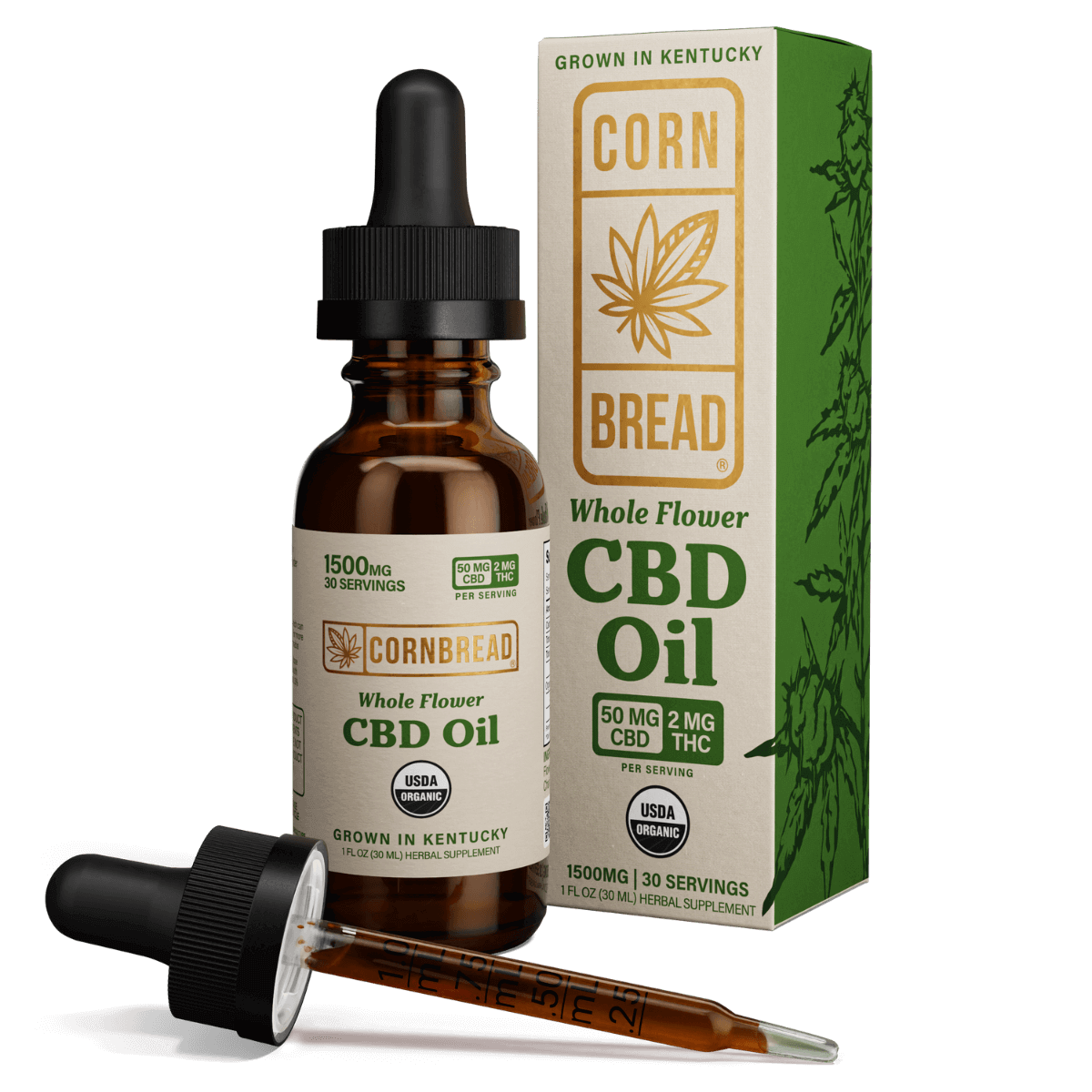
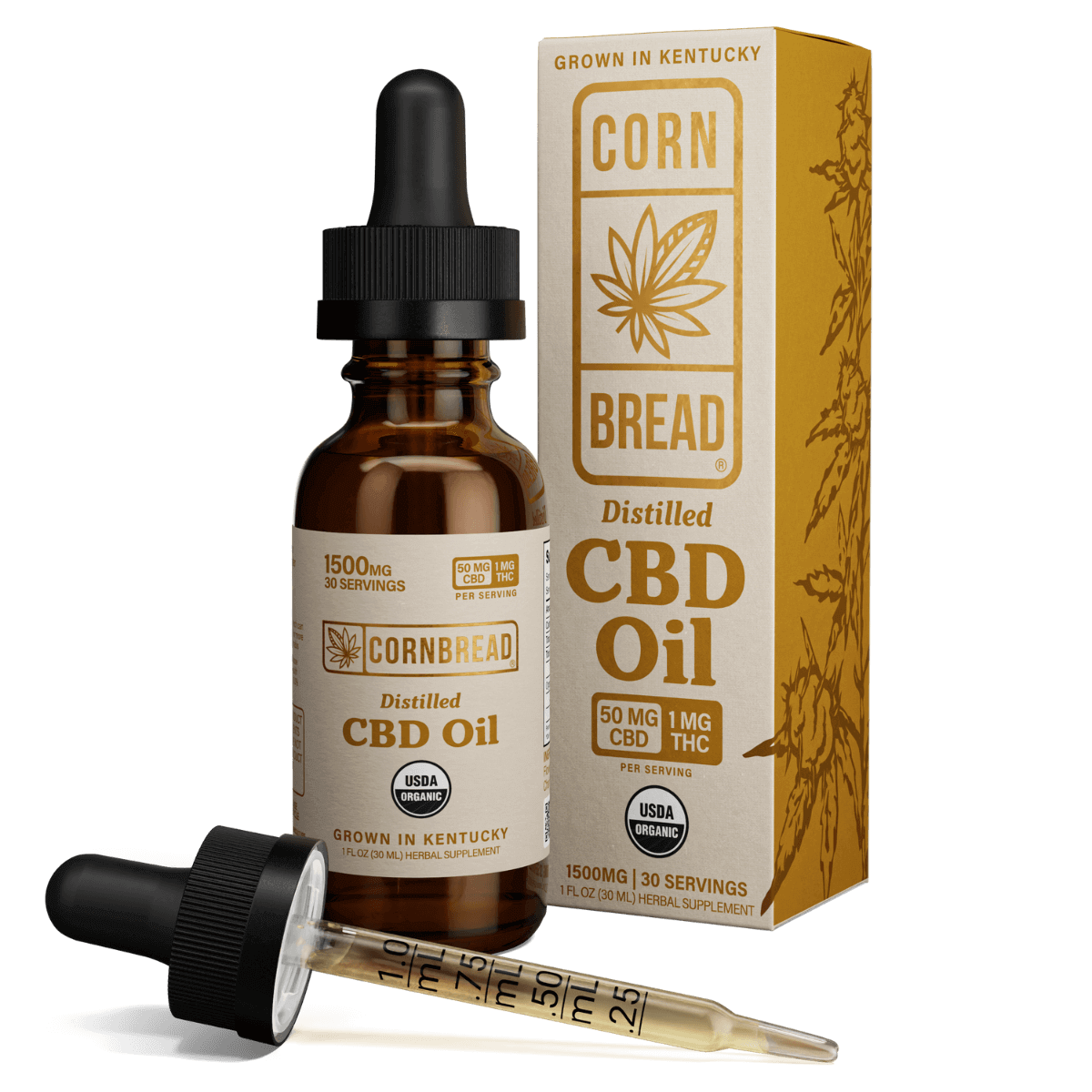
Full spectrum oil or tincture is the most common choice. It’s easy to dose and absorbs well under the tongue.
The taste is another matter. CBD oil is earthy and grassy, and some people can barely stand it. If that’s you, don’t force it.
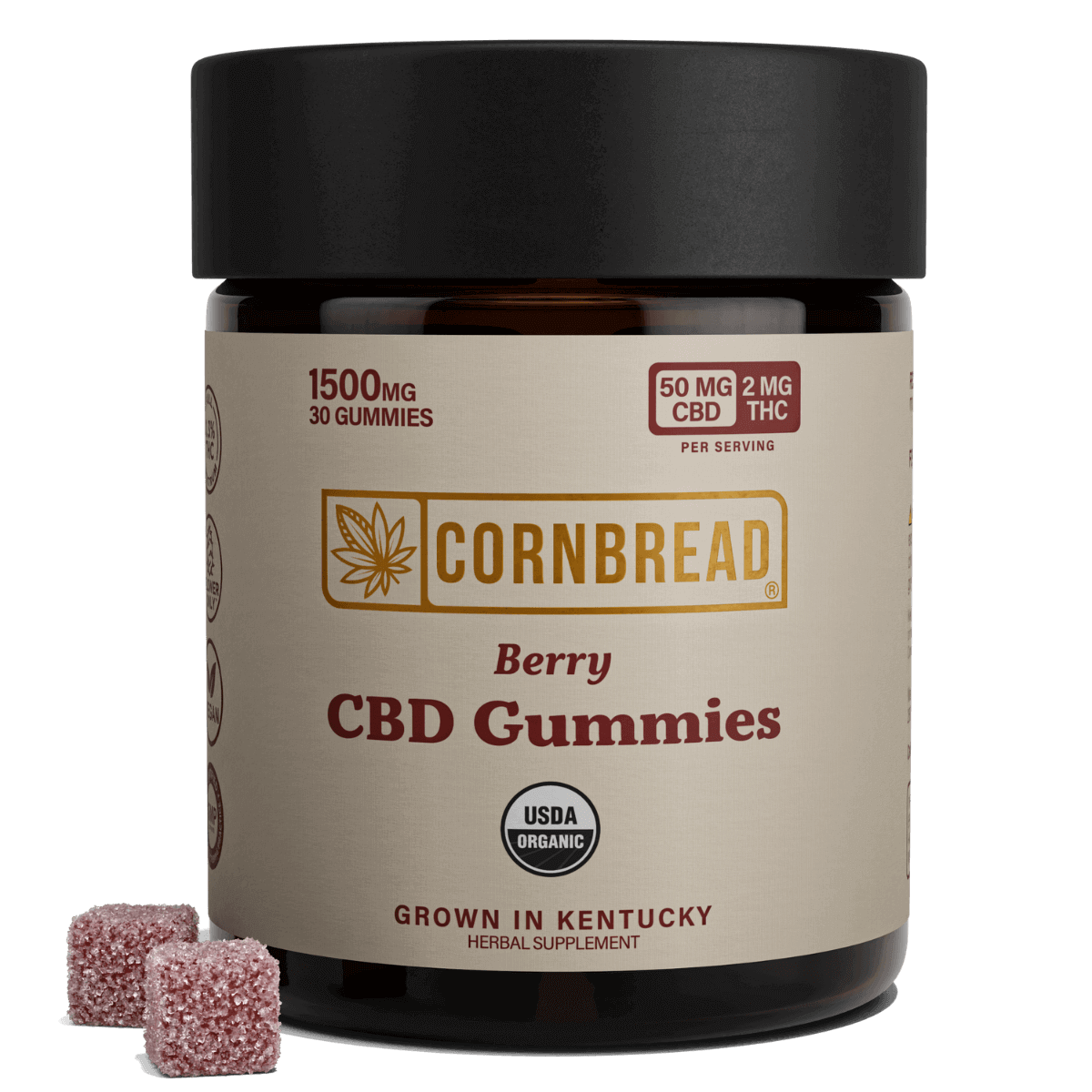
Capsules and gummies take longer to work because of digestion. In exchange, you can toss them in a bag and never measure anything, and for people who forget doses, that’s often the better deal.
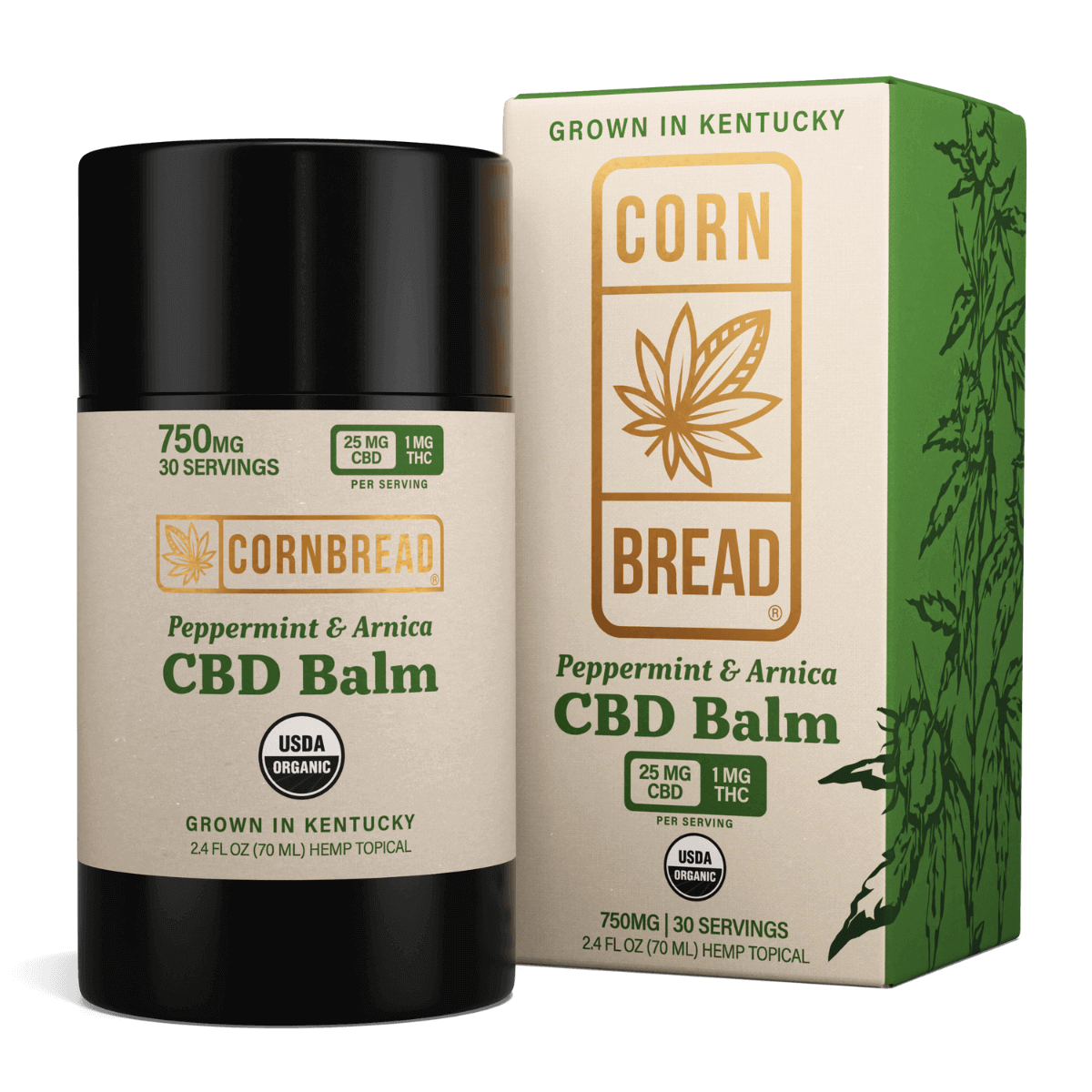
For a sore shoulder or stiff knees, a balm or lotion applied directly to the spot can help. It won’t do much for the rest of your body.
Some people combine the two, with a daily oil for general support and a balm for the knee that complains on stairs. Whatever you choose, keep the timing the same each day.
Organic sourcing and why hemp soaks up contaminants
Hemp is a bioaccumulator. It pulls heavy metals, pesticides, and other contaminants out of the soil and holds on to them.
It’s so good at this that farmers sometimes plant it to clean polluted land. Great for the field, bad for your supplement, since whatever the plant absorbed can end up in the extract.
You take CBD daily, so even small amounts of toxins can add up over months. That’s a strange risk to accept from something you’re taking to feel better.
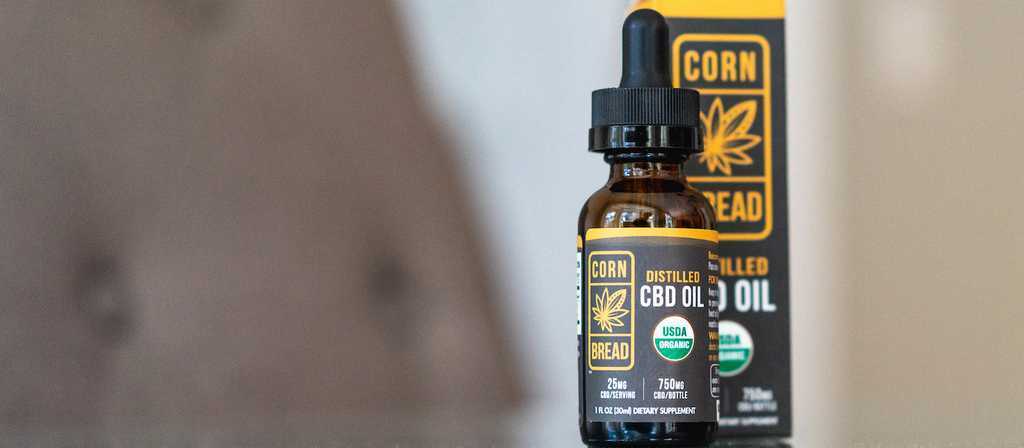
USDA organic certification lowers that risk. The program sets strict rules for growing and processing, so the seal tells you the hemp came from cleaner conditions.
Lab testing and spotting fake CBD oil
Reputable CBD companies send their products to independent, third-party labs. These labs confirm the exact cannabinoid content and check for harmful contaminants. If any are present, the report shows their levels.
The results usually come as a Certificate of Analysis, or COA. You should be able to find it on the company's website, often right on the product page. If you can't find one before buying, move on to another product.
When you're comparing options, run through these quick checks:
- A current third-party COA that matches the product and batch you're buying
- Actual CBD content on the COA that lines up with what the label promises
- Contaminant screening that covers heavy metals, pesticides, and solvents
- A clear statement of whether the product is isolate, broad spectrum, or full spectrum
- THC content listed and staying at or below 0.3% for hemp-derived products
If you want the strongest effect, look for a full spectrum product with a range of cannabis compounds and up to 0.3% THC. That gives you the best shot at the entourage effect. Pair it with organic sourcing and transparent lab results, and you've done most of the work of finding something reliable.