



 Log in
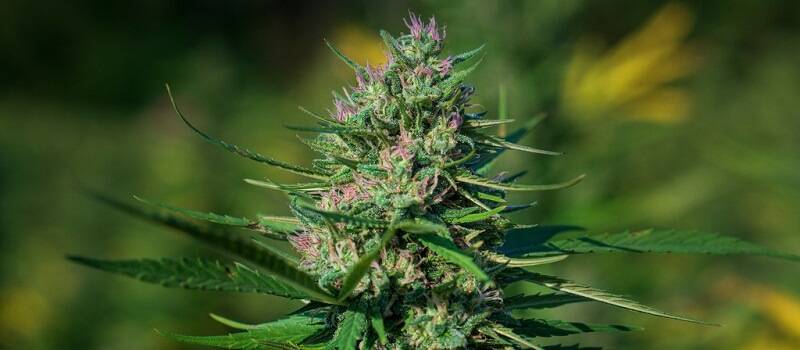
Table of Contents
- CBD: what the letters mean
- What is a cannabinoid?
- Hemp vs. marijuana: same plant, different rules
- Is CBD legal?
- What CBD may do for your health
- The endocannabinoid system, explained simply
- Types of CBD products
- Full spectrum, broad spectrum, and isolate
- Does CBD have side effects?
- Can CBD make you fail a drug test?
- How to find high-quality CBD
- Choosing a brand you can trust
- FAQ
CBD, not so long ago, was a word you'd only hear in health food stores. Now? It pops up at the gym, during lunch breaks, even over Sunday dinner. Never tried it yourself? Fine. But someone you know has, and trust me, they won't stop talking about it.
No wonder, then, that every single month thousands of people end up typing the very same thing into Google: what does CBD actually stand for? Wondering too? You're far from alone. So let's skip the hype and get straight to it.
CBD: what the letters mean
Short for cannabidiol, that's what CBD is. Among the main chemical compounds of the cannabis sativa plant, it ranks right near the top. And that plant? It comes in two varieties most people have heard of: hemp and marijuana.
Marijuana goes way back. Across many ancient civilizations, people turned to it, sometimes to alter the mind, sometimes to heal. Hemp, at least the way we know it now, showed up on the scene much later.
Then researchers managed to isolate cannabidiol from marijuana, and right away something stood out. Nobody got high from it, unlike from the plant itself. The real source of that high, tetrahydrocannabinol, stayed hidden for more than twenty years after that.
What is a cannabinoid?
CBD, THC, and their cousins all go by one umbrella name: cannabinoids. Over a hundred of them live in cannabis plants. Each has its own structure, and each, potentially, its own effects.
Sometimes you'll run into other names for these plant compounds too, like phytocannabinoids or exogenous cannabinoids. Why so many labels? Simple. Your body, believe it or not, makes cannabinoids of its own.
Endogenous cannabinoids, that's what these homemade versions are called, or endocannabinoids if you want it shorter. "Endogenous" just means made inside the body. And when it comes to how CBD works, they matter a lot. More on that in a bit.
Hemp vs. marijuana: same plant, different rules
A flowering plant, that's cannabis sativa. Over a hundred cannabinoids are packed into both of its main varieties. Terpenes and flavonoids are in there too, and it's thanks to them the plant has that distinct smell and color.
Back in the day, "hemp" meant cannabis grown for fiber, nothing more. Rope, fabric, paper, and plenty of other everyday stuff got made from it. These days, though, the word carries a narrower meaning, one tied to the law.
Cannabis plants bred to keep THC very low, that's what hemp means now. And legally, THC content is the one and only thing that splits hemp from marijuana. Same species. Different chemistry. And a whole different legal status.
Hemp
No more than 0.3% THC by dry weight, that's the federal limit for hemp. Way too little to get anyone high. CBD, on the other hand, hemp has in abundance, more than any other cannabinoid it carries.
Thanks to that low THC cap, hemp and its extracts are legal federally, and in most states as well. So all those CBD products lining store shelves? Most of them, it turns out, come from hemp.
Marijuana
When it comes to THC, marijuana plants are all over the map. But one thing stays the same: they always sit above 0.3%, and often way above. That's exactly where the psychoactive kick comes from, the classic high, plus a few other effects along for the ride.
Second place among marijuana's cannabinoids goes to CBD, though in far smaller amounts than hemp usually has. Federally, marijuana is still a controlled substance. Many states have eased up on medical or recreational use, sure. Yet in plenty of places, it's still illegal, fully or at least partly.
Is CBD legal?
Nationwide, hemp and its extracts, CBD included, became legal thanks to federal farm legislation. The catch? They have to stay at or under 0.3% THC by weight. So CBD from hemp is legal federally, and most states allow it too.
With CBD made from marijuana, though, it's a whole other story. Where you live, it might not be legal at all. Not sure what the rules are in your area? Spend a few minutes checking local laws before you buy anything. Worth it.
What CBD may do for your health
Since cannabidiol was first discovered, researchers have figured out a lot. Still, plenty remains a mystery. Chronic pain, multiple sclerosis, substance use disorders: clinical trials are digging into how CBD might affect all of these. The honest answer, for now? More research is needed.
Even so, lots of people who've made CBD a regular part of their wellness routine say they notice real, everyday benefits. These come up most often:
- A mood that feels brighter and more balanced
- Sleep that's better and more consistent
- Less muscle soreness, especially after workouts or repetitive physical work
- Daily stress that's simply easier to handle
Take a look at that mix, and one thing becomes clear. Both emotional and physical well-being get a boost from CBD. Why can it do so much? It all comes down to a system inside your body that most people have never even heard of.
The endocannabinoid system, explained simply
Cannabinoid receptors, enzymes, and the endocannabinoids your own body makes: put them together, and you get the endocannabinoid system, or ECS. Its receptors are scattered all over the body. In the gut, though, and in the central and peripheral nervous systems, you'll find them packed especially tight.
Digestion, immune response, pain, sleep, appetite. The ECS has a hand in regulating every one of them. And all its parts chase a single goal, really: keeping your body in balance. Homeostasis, that's the scientific name for it.
How the pieces fit together
Picture tiny buttons, spread across tissues in almost every system of your body. That's basically what cannabinoid receptors are. Endocannabinoids "press" them by binding on, and specific responses kick in, like feeling hungry or your body temperature going up. Job done? Then enzymes step in and break those endocannabinoids down.
Structurally, plant cannabinoids look a lot like the ones your body makes. So the ECS, naturally, responds to them too. THC latches straight onto one particular receptor in the brain, and that's the whole reason its mind-altering effects hit so hard. Take that receptor away, and THC simply wouldn't get you high.
With CBD, things work differently. Binding to receptors, it seems, doesn't come as easily to it as to THC. What it does instead is slow down how fast other cannabinoids and endocannabinoids get broken down, so they pile up and stay active longer. And that roundabout approach? It helps explain why CBD's effects reach so far.
Types of CBD products
Once you understand what CBD can do, the next question is how to actually take it. There are a few popular formats, and each one fits a slightly different lifestyle.
|
Product |
How you use it |
Best for |
Things to know |
|---|---|---|---|
|
💧 CBD oil |
👅 Hold drops under your tongue before swallowing |
⏱️ People who want flexible dosing |
🌿 Earthy taste, usually sold in dark glass bottles |
|
🍬 CBD gummies |
😋 Chew like a regular candy |
🎯 Easy, pre-measured daily doses |
🍓 Fruity flavor hides the earthy CBD taste |
|
🧴 CBD topicals |
✋ Rub lotion, cream, or salve onto skin |
💪 Targeting sore muscles after exercise |
🚫 Little to no CBD reaches the bloodstream |
|
🤝 Oil or gummies + topical |
🔄 Combine an ingestible with a skin product |
✨ Support from the inside and outside |
📅 Works best with consistent daily use |
CBD oil
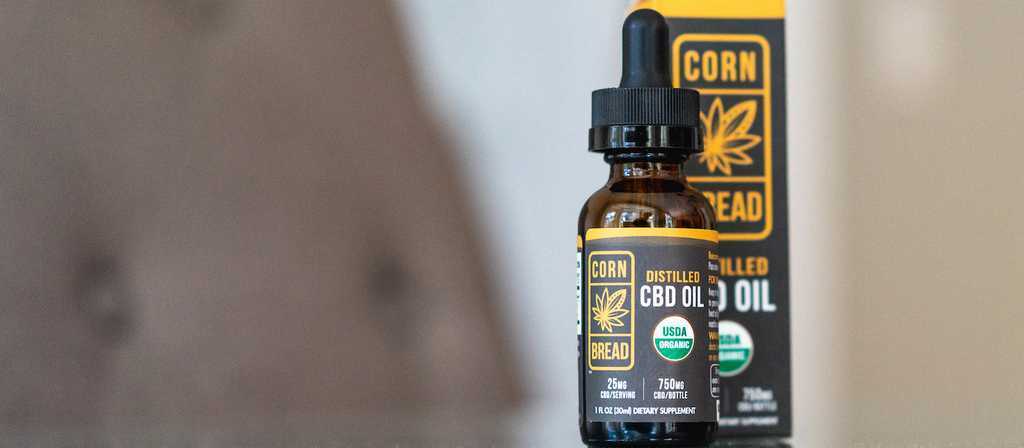
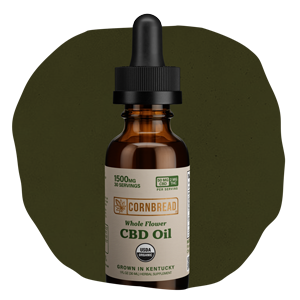
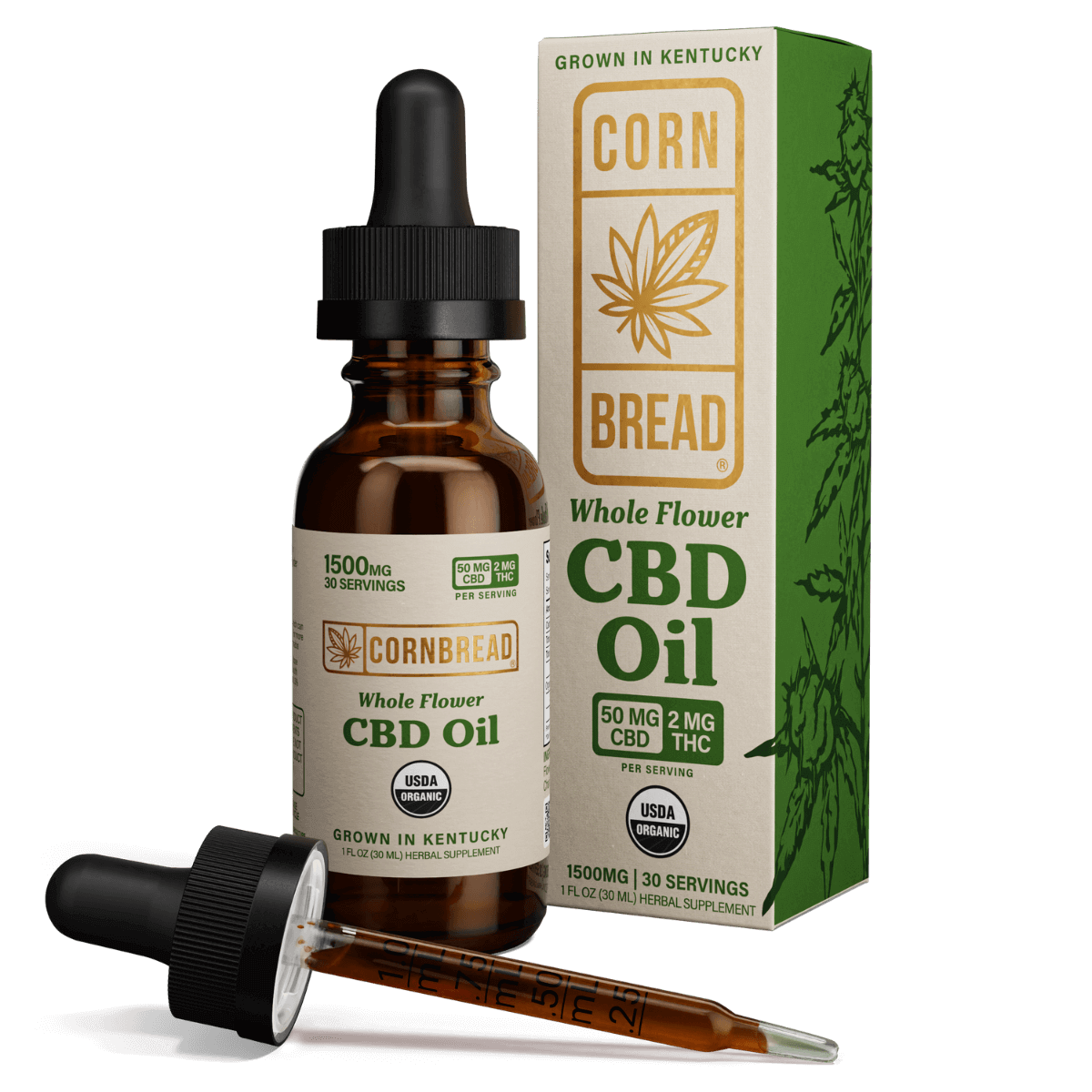
Among the very first CBD products to hit the market was CBD oil, and it's still one of the most popular around. Don't let the name fool you, though. Nobody presses it from the plant the way olive oil gets made. What you're really getting is CBD extract mixed with a carrier oil.
Two jobs fall on that carrier oil. First, it dilutes the extract, so dosing gets easier. Second, it boosts bioavailability, which just means more CBD actually makes it into your system. Hold the oil under your tongue, and some of it absorbs right away. That's a big part of why people love it.
CBD gummies
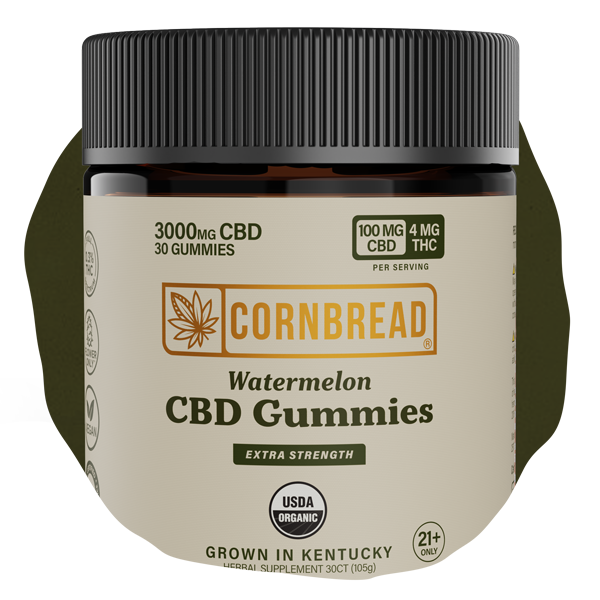
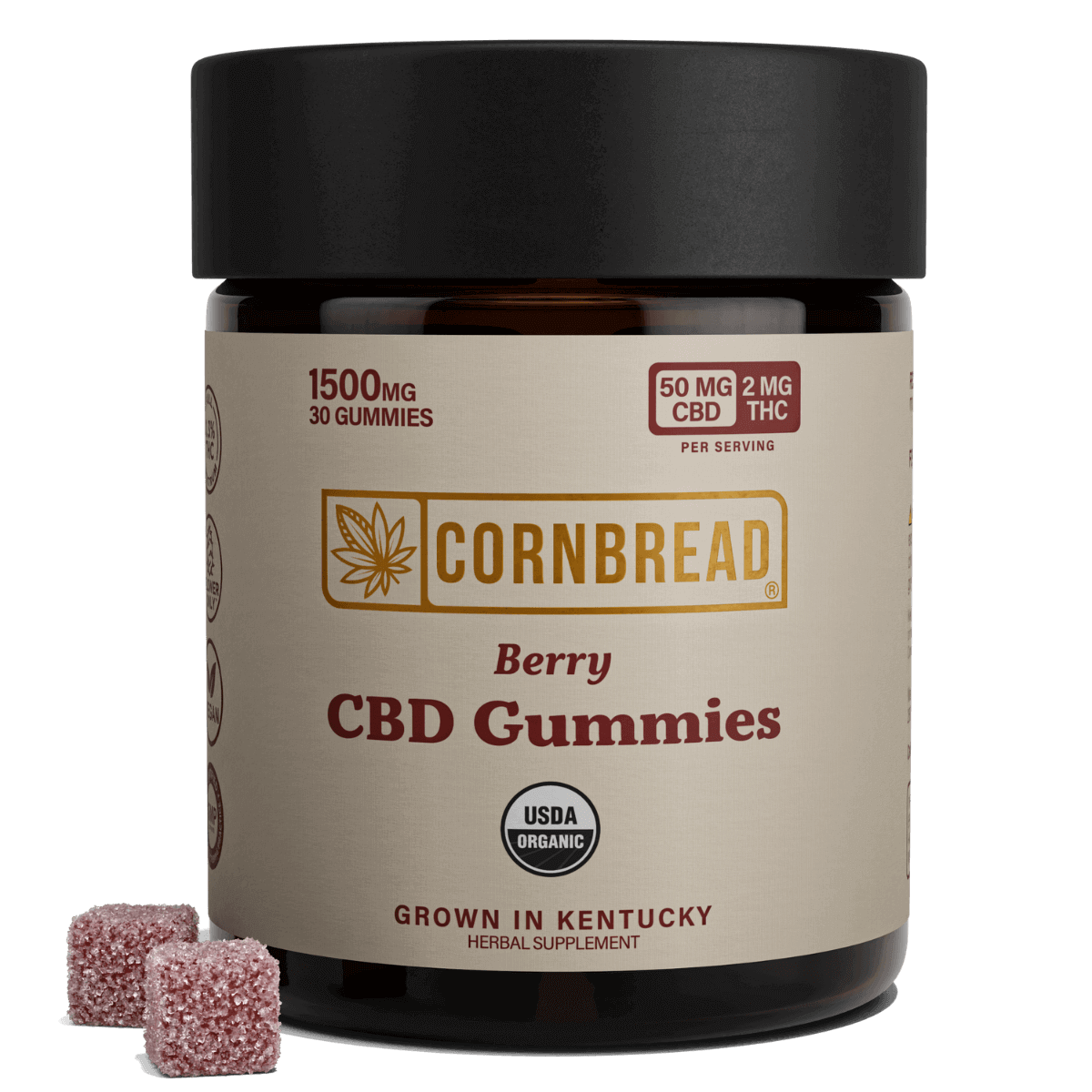
Up the list of most-loved CBD products, gummies are climbing fast. Chewy, fruity, infused with CBD extract, and every single piece holds the same amount. Dosing, honestly, doesn't get much simpler than that.
Too earthy for you, the natural taste of CBD oil? Then gummies make a much friendlier way to get your daily dose.
CBD topicals
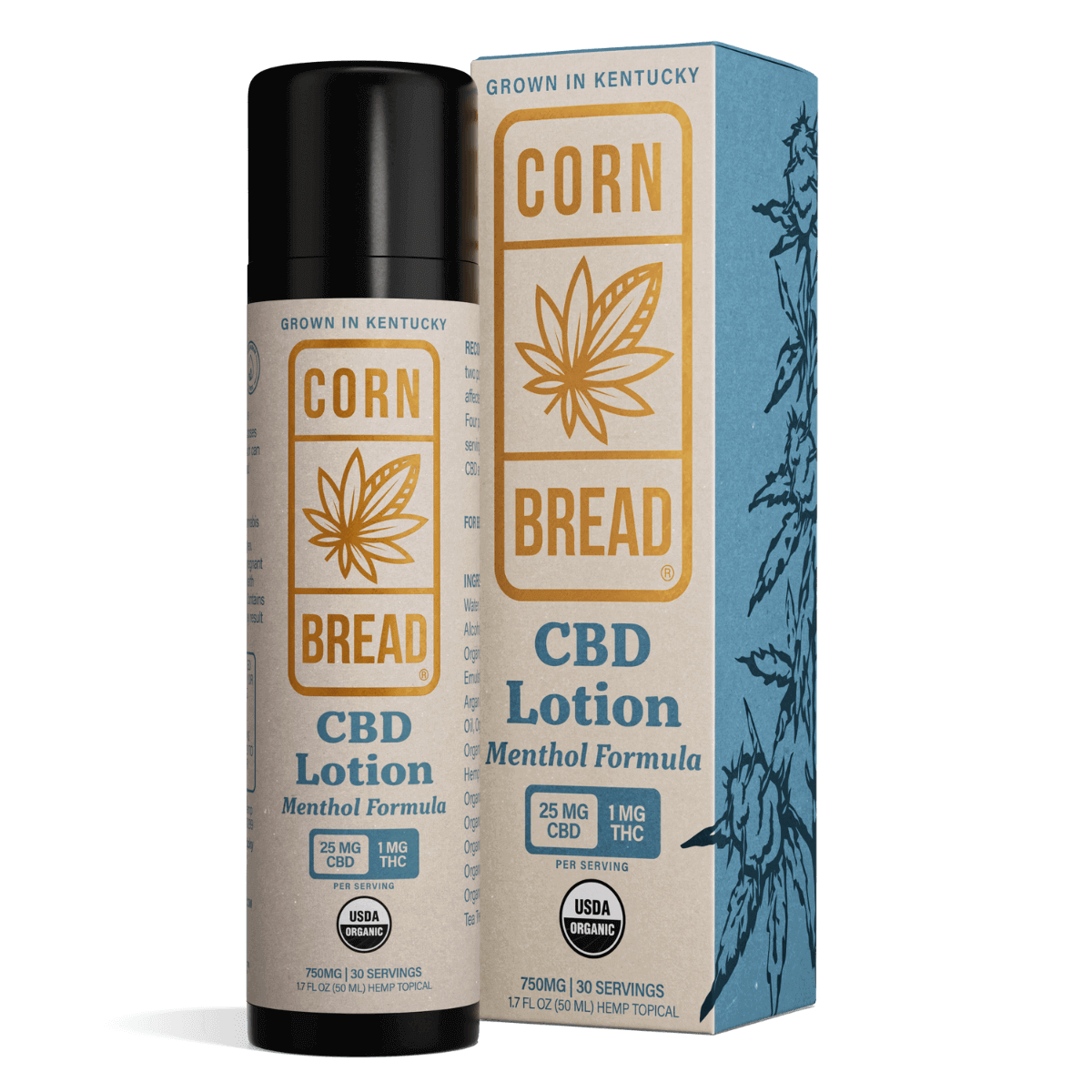
Lotions, salves, creams: these are topicals, and they go straight onto your skin. Eating them? Not the idea at all. Hardly any CBD, if any, reaches the bloodstream this way, but honestly, that's not what they're for.
Where topicals really shine is when one spot needs attention, say achy muscles after a tough workout. Plenty of people combine them with gummies or oil, covering both bases at once. At the end of the day, though, the best product is simply the one you'll actually stick with, every single day.
Full spectrum, broad spectrum, and isolate
Formats aside, CBD itself comes in different types too. What really sets them apart? How many other cannabinoids and plant compounds end up in the final extract.
A wide range of cannabinoids and natural plant compounds, that's what you get with full spectrum CBD. CBD plays the lead role, sure, but up to 0.3% THC can tag along as well. And even that tiny bit seems to count, since it helps fuel the "entourage effect," where cannabinoids work better as a team than on their own. No wonder full spectrum is so often called the most effective option.
Plenty of the plant's other compounds stay in broad spectrum CBD as well. THC, however, gets removed, or cut down to levels nobody can detect. Some entourage effect is still possible here, just not as reliably.
Then there's CBD isolate, the purest form of all. Every other compound, every bit of plant material, gone. What's left looks like a fine white powder. You can buy it by itself, though more often it ends up as an ingredient in gummies, oils, and creams.
Does CBD have side effects?
For most people, CBD goes down just fine. Completely free of side effects, though, it isn't. When they do pop up, they're usually mild, and mostly when someone takes too much in one go. Dry mouth, drowsiness, an upset stomach, diarrhea: those show up most often.
And sometimes? CBD isn't even to blame. Additives, flavorings, or the carrier oil itself, coconut or hemp seed oil for example, can trigger a reaction in some people too.
CBD and prescription medications
A whole lot of substances get processed by your liver, many medications and CBD among them. Since they travel the same pathway, CBD can mess with how certain drugs get broken down. And that, in turn, can change how much of them stays in your body.
Taking any medications, prescription or over-the-counter? Then before you start with CBD, have a talk with your healthcare provider. It's a quick conversation. And it can save you a lot of trouble down the road.
Can CBD make you fail a drug test?
Short answer? Yes. THC from hemp-based CBD and THC from marijuana look the same to many common drug tests. So failing a test from CBD alone, unfortunately, is entirely possible.
A few smart moves can lower that risk, though. Ask your healthcare provider for a written note about your CBD use, listing the products you take and how much THC they contain. Talking openly with your HR department helps too, especially about company rules on CBD and drug testing.
But if even a small chance of THC exposure is a dealbreaker for you, steer clear of all cannabis products, hemp and marijuana alike. Nobody wants to hear that, sure. Still, it's the only answer that's truly guaranteed.
The problem with mislabeled CBD
Just buy THC-free products, problem solved, right? Sadly, not quite. When one study looked at 84 CBD products from 31 online companies, the labels turned out to be wrong surprisingly often.
THC showed up in eighteen of those samples. Some had as much as 0.64%, more than double the legal limit. And if THC can sneak through unnoticed like that, imagine what else might be hiding in lower-quality products. Unwanted ingredients, maybe even harmful ones.
How to find high-quality CBD
Shopping for CBD can feel overwhelming with so many brands competing for your attention. The good news is that a handful of quality markers make it much easier to separate solid products from questionable ones. Here's what to look for:
- Hemp from a proven growing region. Hemp grows best in the right climate and soil, and regions with a long tradition of hemp farming tend to produce more reliable, high-quality crops for fiber, grain, and cannabinoids alike.
- USDA certified organic. Hemp is a "bio-accumulator," meaning it soaks up toxins from the soil faster than it releases them. Organic certification confirms the product is free from pesticides and other contaminants, and it's the only federal certification that truly vouches for quality.
- Organic ethanol extraction. CO2 extraction is common because it's automated and cheap, but it can't be certified organic and often leaves a harsh, bitter taste. Extraction with organic sugarcane ethanol is gentler, uses less energy, delivers higher-quality yields, and produces a smoother flavor.
- Full spectrum formula. As covered above, full spectrum products keep minor cannabinoids and a trace of THC, which allows the entourage effect to do its work.
- Third-party lab testing. Trustworthy brands send every batch to independent labs and publish a certificate of analysis. This report shows cannabinoid levels and confirms the product is free of pesticides, solvents, heavy metals, and microbes like mold and bacteria.
If a brand can't show you a recent COA from an outside lab, treat that as a red flag. In-house testing alone doesn't offer the same level of trust.
Choosing a brand you can trust
The best CBD companies understand that people want natural supplements that are as potent as promised and free from harmful extras. That's why it pays to look for brands that offer USDA certified organic products, use clean ethanol extraction, and stand behind every batch with independent testing.
When a company checks all of those boxes, you can feel confident that what's on the label is what's in the bottle. That peace of mind is a big part of what makes CBD a worthwhile addition to your daily routine.
CBD + THC PRODUCTS
View all-
-
Full Spectrum CBD Gummies
- $39.99
- Buy Now
-
-
CBD Lotion + Menthol
- $49.99
- Buy Now